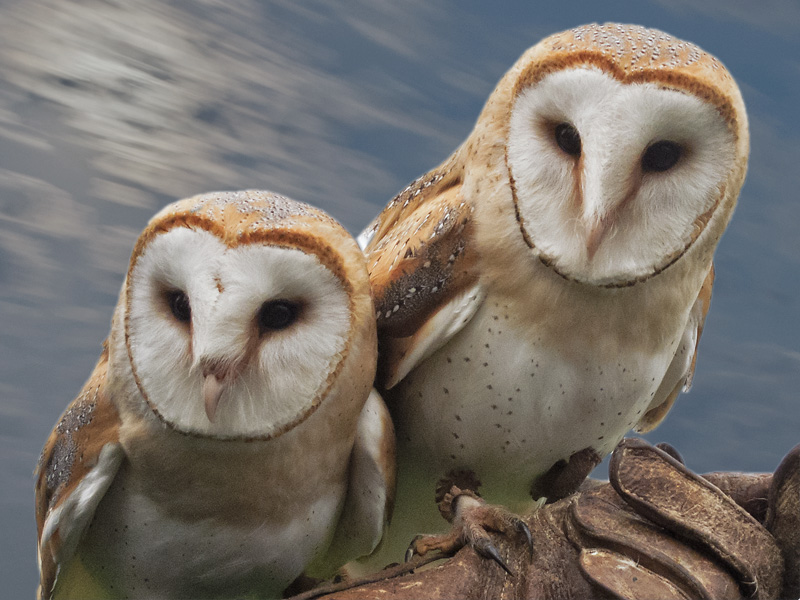
Join us on Thursday 4th March 7.30pm for a zoom talk by Paul Reynolds about ‘HART Wildlife Rescue’ -working in Hampshire to rescue British wildlife. Paul will introduce the work of Hampshire Animal Rescue Team (HART) and cover some interesting case studies as well as what to do if you find an animal in distress.
 Located at Medstead near Alton, HART Wildlife runs a wildlife hospital, providing a rescue, treatment and rehabilitation service for wildlife from all over Hampshire and surrounding counties. Over 3,000 animals were treated by HART in 2020 including hedgehogs, wild birds, foxes, owls, ducks, rabbits and mice.
Note: The zoom invitation will be emailed beforehand to members and to those on our mailing list. Anyone who would like to join the meeting can request an invitation.
A write-up after the talk follows:- On 4th March via Zoom we enjoyed a really wonderful talk by Paul Reynolds, Hospital Manager of HART Wildlife Rescue. We are very fortunate that we have this resource for sick and injured wildlife so near to us in Medstead. Originally founded by June and Bob Gibbs, the charity has been helping local wildlife for 25 years.
In 2020 3233 patients were admitted to the hospital and ranged from deer, foxes, badgers, hedgehogs, rodents and rabbits to bats, reptiles, amphibians and birds. The top three animals were garden birds and summer visitors (1086), doves and pigeons (794) and hedgehogs (604). Each patient on average costs £150 to treat and rehabilitate. Mostly the centre deals with local native wildlife but sometimes more exotic species come in. More unusual patients have included a Rhea, a North American Corn snake and an albino budgie!
Animals are admitted for a number of reasons which include: cat attacks, being orphaned, injured on the roads, being injured by litter, being poisoned, getting stuck in a hole, pond or sports net and getting a disease. Sadly animals can also be hurt from gardening hazards such as strimmers/mowers, bonfires, cutting hedges or trees. The aim is to release healthy animals back into the countryside either near where they were found or at sympathetic sites.
Hedgehogs. Despite doing relatively well in Europe, hedgehogs are in decline in the UK and now classified as Vulnerable to extinction. Indeed it is thought that they could even become extinct in the U.K. in the next fifty years! They suffer from habitat loss, road accidents, pesticides killing their food source (invertebrates), dog attacks, parasites, gardening related injuries and a lack of connectivity between their habitats. They breed from April to September and hibernate from November to March.
What can we do to help hedgehogs?
- create ‘hedgehog highways’ in other words cut small holes in fences or other boundaries so that hedgehogs can travel between gardens
- check that drains are covered and that ponds and cattle grids have escape routes so they can climb out
- feed hedgehogs – preferably cat food (biscuits) or food from Riverside Woodcraft
What should I do if I find an injured wild animal or bird?
- try to contain the animal if you can
- be cautious with deer, foxes, seals or badgers, ring HART Wildlife Rescue for advice and if suggested then cover the head with a jacket or towel
- if it is a young animal step back and look around for any parents or other orphans
- call HART Wildlife Rescue 01420 562335 or the RSPCA on 0300 1234 999
How can I help HART?
- Donate towels, newspapers, cat food (biscuits or wet food)
- Donate when you buy goods on Amazon – instead of going to Amazon, go to Smile Amazon and then select HART Wildlife Rescue as your chosen charity – a percentage of your purchase price will go straight to HART
- Buy an item from HART’s Amazon wish list (there is a host of items which range in price, recently I bought some puppy milk powder for fox cubs) see this page for more details
- host a fundraiser
- when Coronavirus is no longer an issue, volunteer to help at the centre or at the HART charity shop in Alton (near Alton library in the Bank Car Park)
- become a regular donator
You can find out more about the wonderful work at HART Wildlife Rescue by doing the following:
- follow Hart Wildlife on Facebook
- follow hartwildliferescue on Instagram
- go to the website and sign up for their newsletter.
The talk was really interesting so thank you to Paul!
Jenny
 Join us for a talk by Tom Mabbett from Naturetrek about ‘The Best of Britain: From Ardnamurchan to the Forest of Dean’ on Thursday 21st October. Tom will cover his favourite wildlife locations across the UK from the “wild west” of Scotland to his local Forest of Dean. Appreciating what is close to home and on our doorstep has never been more important and Tom will also talk about some local wildlife discoveries and the joy and excitement of finding wildlife on your home patch, including an introduction to camera trapping. All welcome to join this virtual meeting via Zoom, pictorial AGM review starts at 7pm, talk starts 7.30pm, free for members, £3 non-members.
 Tom has worked at Naturetrek in nearby Chawton since 2013 and is a tour leader and operations manager. Tom says ‘I have been fascinated by wildlife for as long as I can remember. Even from infant school days I recall going along a hedge in the playground and turning the leaves which had holes in, hoping to find a caterpillar, putting bugs in pots and keeping jars of frogspawn. I’m not sure how or why but I was obsessed with birds. I was always putting bread out for the masses of Starlings we had then and staring endlessly at the garden feeders, trying to figure out what everything was.’